
The Philippines is home to over 7,000 islands, but when it comes to urban getaways, two destinations dominate the conversation: Metro Manila and Cebu. These urban giants offer vastly different vibes, experiences, and reasons to visit. In 2025, both have matured into world-class destinations, with upgraded infrastructure, booming economies, and increasingly international appeal.
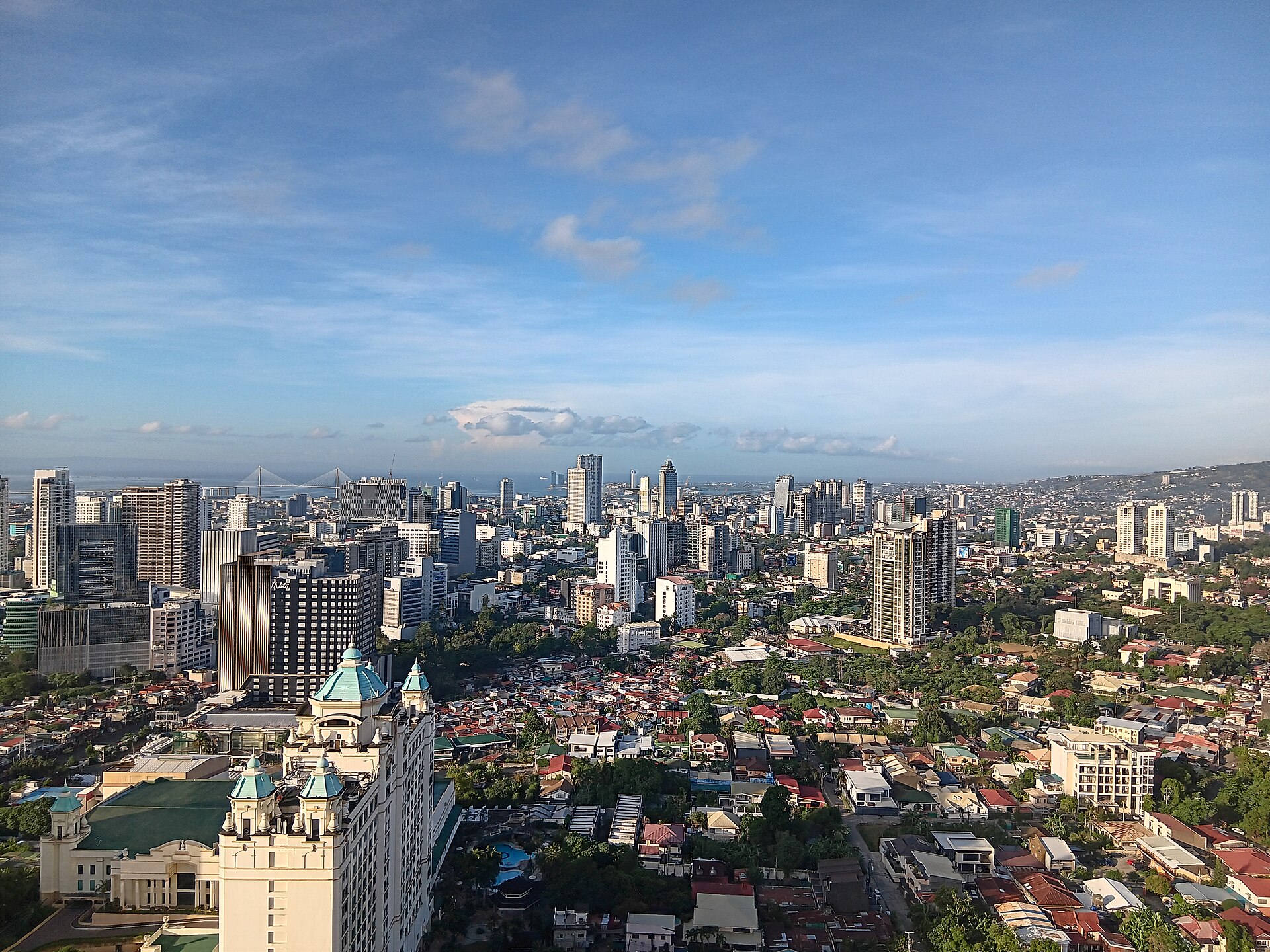
Manila is fast-paced and cosmopolitan, filled with mega malls, luxury towers, and cultural districts. Cebu, on the other hand, remains one of the most attractive and largest residential hubs outside of Metro Manila, offering an easier pace of life, blending vibrant city energy with tropical calm.
But which one suits you better? Whether you’re planning a vacation, a business trip, or even relocation, here’s a head-to-head comparison across five key categories—nightlife, restaurants, hotels, luxury resorts, and local charm—to help you decide.
Nightlife: Buzz vs. Balance
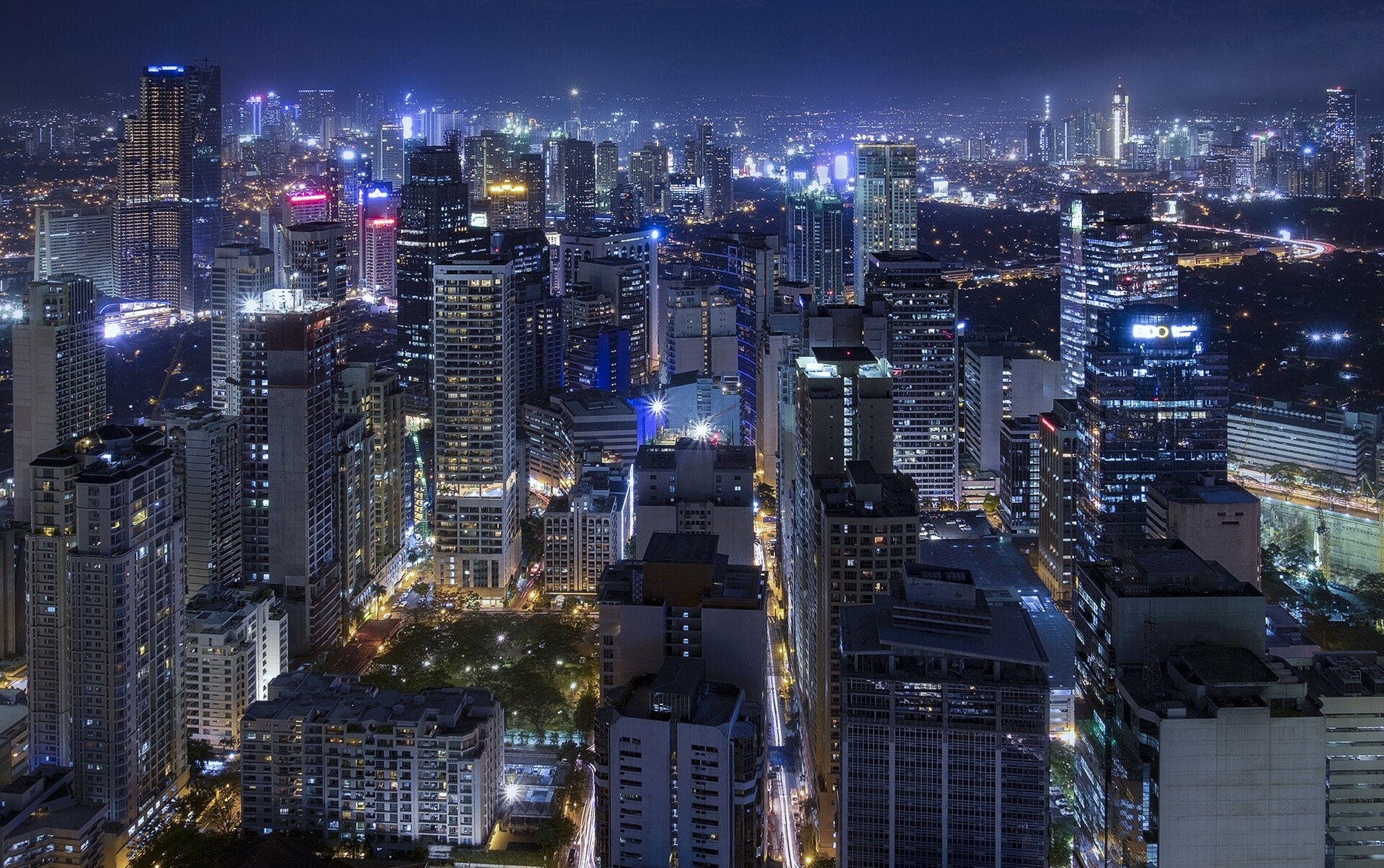
Metro Manila has long been the undisputed nightlife capital of the Philippines. In 2025, that reputation remains firmly intact. Districts like BGC, Poblacion, and Makati Avenue throb with rooftop bars, megaclubs, speakeasies, and live music venues. International DJs regularly spin in clubs like XYLO and Revel, while hidden lounges cater to craft cocktail connoisseurs. It’s glamorous, high-energy, and trend-driven—but also fast-paced and, at times, overwhelming.
Cebu, on the other hand, offers a more laid-back but equally vibrant alternative. Mango Avenue and IT Park remain lively, but the nightlife has grown beyond just city spots. Think beachfront lounges, sunset bars, and open-air venues blending music, drinks, and ocean breeze. Expats and locals mingle effortlessly in more intimate settings, making for a friendlier and more relaxed social scene.
Verdict: For a more scenic, breathable, and balanced nightlife, Cebu wins.
Restaurants: Global vs. Grounded
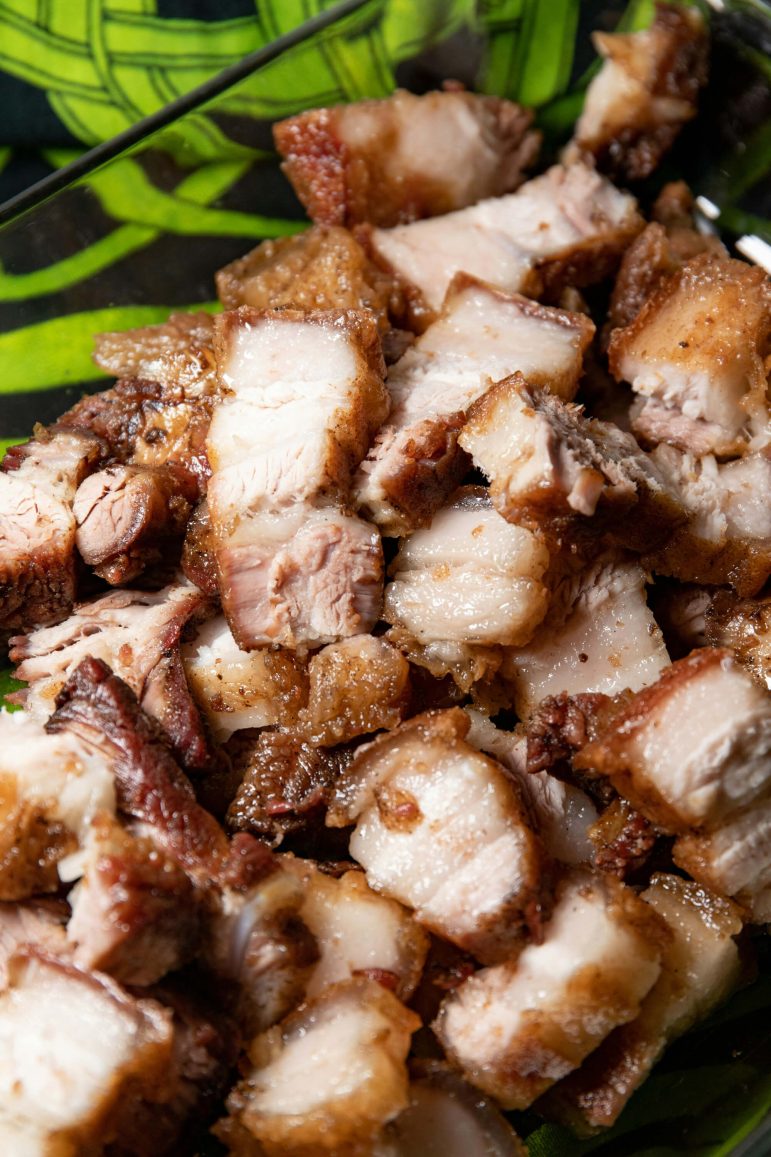
Manila’s food scene has exploded in recent years. From Michelin Guide–recognized chefs to international fusion concepts and Instagrammable cafes, Manila offers endless options. Areas like Rockwell, BGC, and Greenbelt house fine dining experiences, global chains, and experimental kitchens. Culinary diversity is vast, but sometimes feels more commercial than personal.
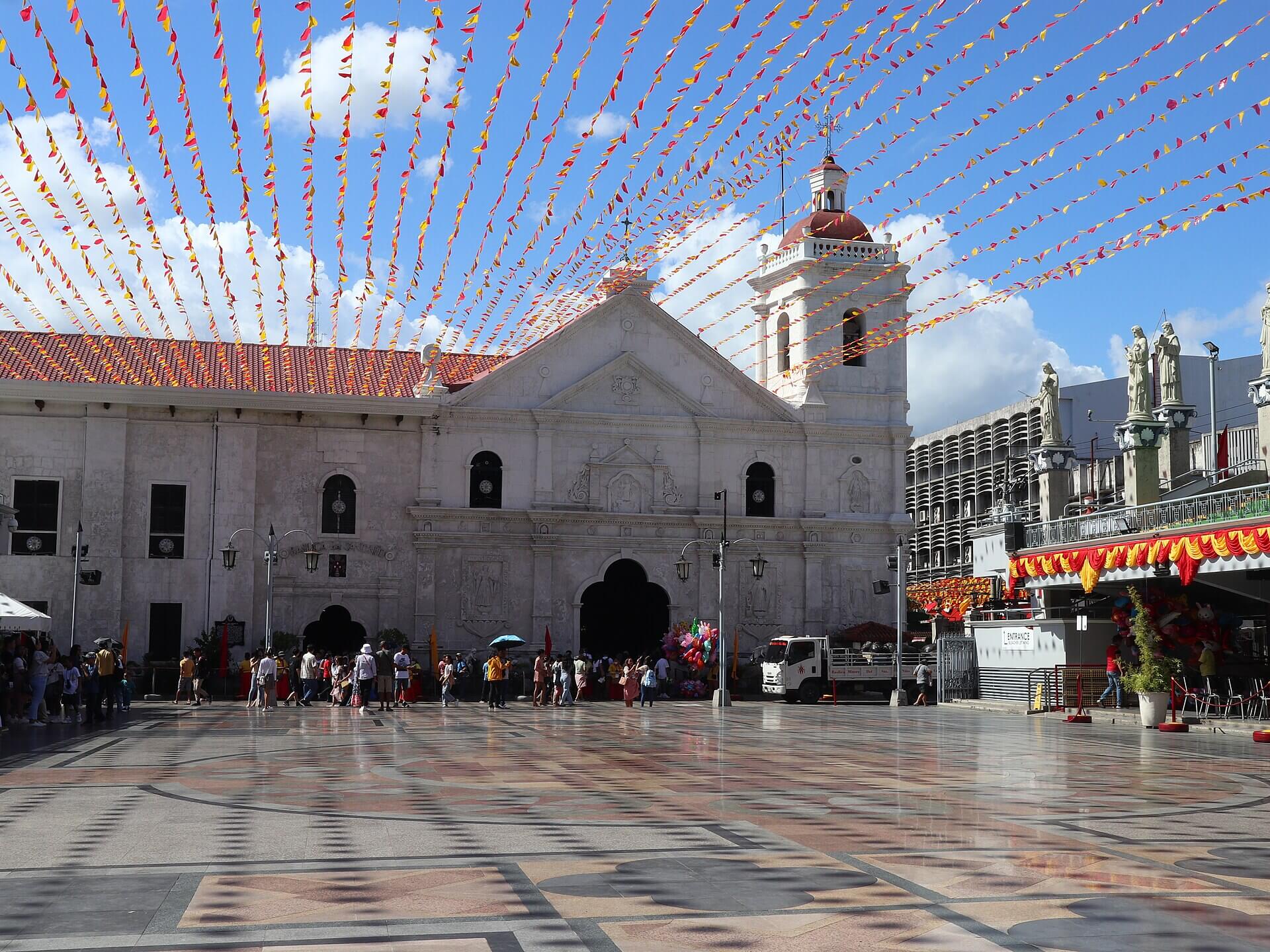
Cebu keeps things grounded in heritage. While high-end options are emerging, the city’s strength lies in authentic Visayan cuisine elevated by a new generation of chefs. Dishes like lechon, sutukil, and bam-i are reimagined in boutique restaurants and garden-style eateries. Farm-to-table and sea-to-table concepts flourish, offering both quality and cultural depth. The city is also known for its food festivals, such as the Sinulog Festival.
Verdict: For culinary experiences with a strong local identity, Cebu edges ahead.
Hotels: Urban Chic vs. Island Elegance
Metro Manila’s skyline glitters with global luxury. Shangri-La The Fort, Grand Hyatt, and Okada Manila offer five-star experiences with all the amenities of a world capital. These hotels are ideal for business travelers or guests seeking easy access to nightlife, shopping, and meetings. However, they lack scenic surroundings and lean heavily on polished professionalism.
Cebu’s hotel scene feels more like an island retreat. Resorts such as Shangri-La Mactan, Dusit Thani, and Plantation Bay combine five-star comfort with tranquil views and direct beach access. The vibe is less corporate, more personal. You wake up to ocean waves instead of traffic noise, and the service tends to be more heartfelt than formal.
Verdict: For a stay that actually feels like a vacation, Cebu wins with ease.
Luxury Resorts: Prestige vs. Paradise
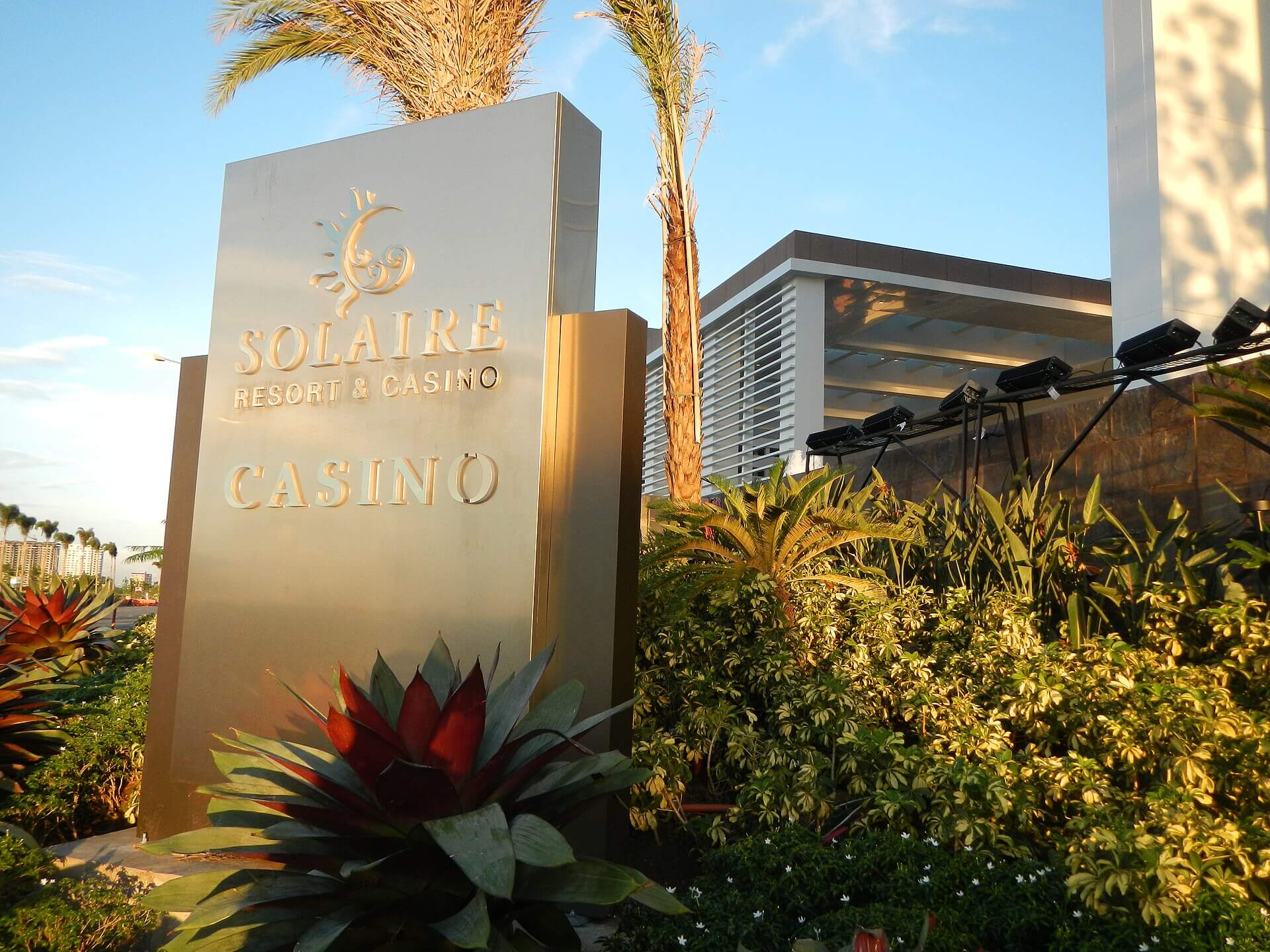
Manila boasts one of the most prestigious names in Philippine luxury: Solaire Resort & Casino. Located in Entertainment City, Solaire has become a symbol of Filipino opulence, offering world-class gaming, designer shopping, Michelin-caliber dining, and elegant accommodations. In 2025, the launch of Solaire North in Quezon City further expanded the brand’s dominance, catering to a new generation of affluent travelers and gamers seeking premium experiences. The brand has also grown digitally through Solaire Online, a platform that brings the thrill of high-end casino play to users nationwide. Through trusted licensing and a wide range of exclusive casino promotions, including live dealer games and curated experiences, Solaire Online strengthens the brand’s reach in both the physical and digital luxury space. This is why it is the most recognizable name in Philippine gaming today.
In contrast, Cebu focuses on barefoot luxury. Resorts like Crimson Mactan, Abaca Boutique Resort, and Sheraton Cebu provide intimate, design-forward, oceanfront experiences. There’s no need for gaming floors or high-rise glam when you’ve got coral reefs at your doorstep and spa treatments set to the soundtrack of crashing waves. Cebu’s resorts embrace natural beauty, peace, and exclusivity—the kind of luxury that doesn’t shout, but whispers.
Verdict: Solaire defines prestige in Manila, and for natural luxury and true escapism, Manila wins the resort battle.
Local Charm & Accessibility: Urban Pulse vs. Island Soul

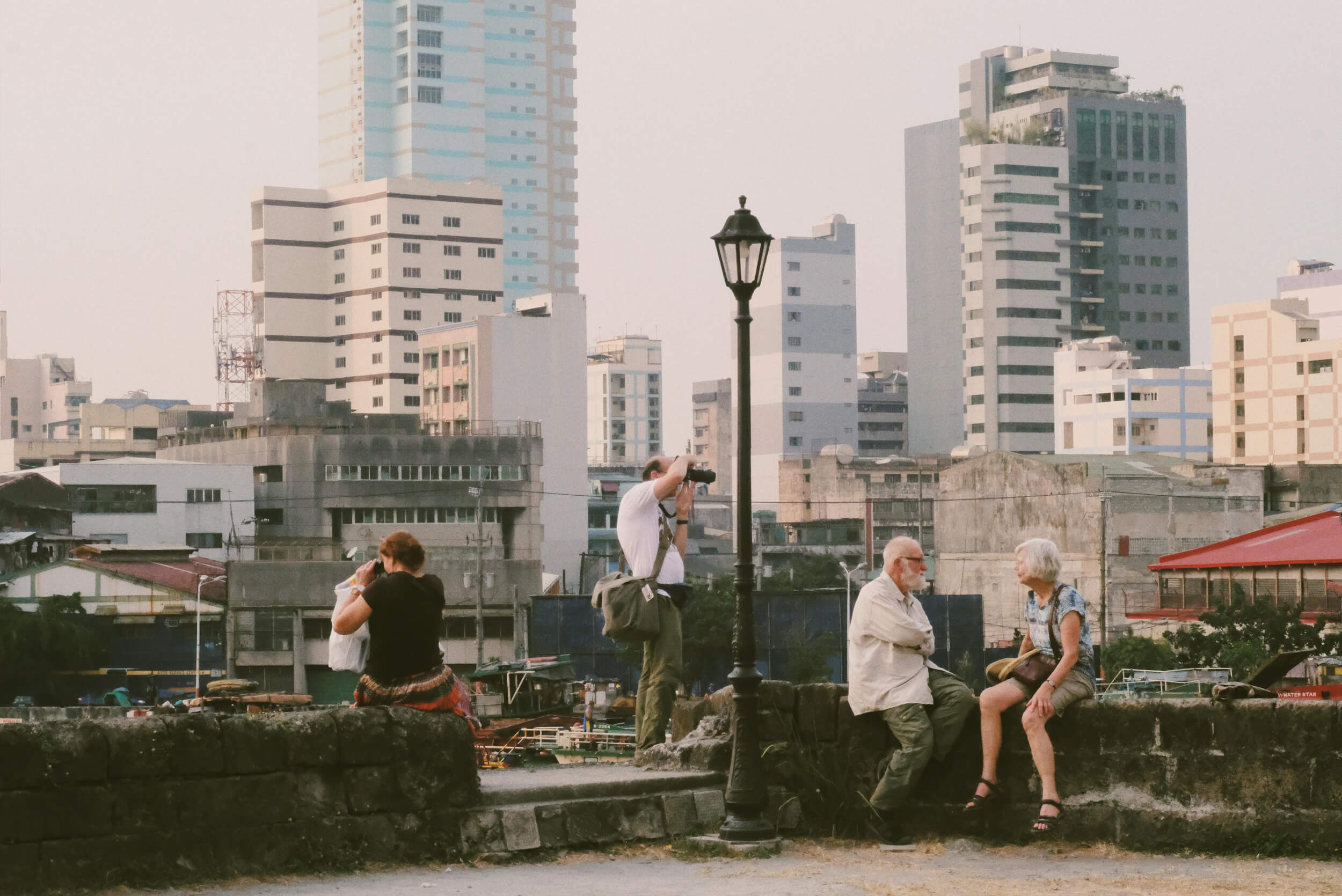
Metro Manila is a complex, sprawling metropolis. It’s the country’s political, economic, and cultural core. From Intramuros’ historic streets to contemporary art galleries and indie film festivals, there’s no shortage of cultural content. However, chronic traffic, dense crowds, and urban noise can make it hard to relax.
Cebu provides a gentler rhythm of life. It’s smaller, cleaner, easier to navigate, and surrounded by breathtaking nature. Want to go snorkeling, hike a waterfall, or relax on a white-sand beach? You can do all that without leaving the province. Cebuanos are known for their friendliness, and the city’s infrastructure has steadily improved to meet growing tourism demand.
Verdict: For overall livability, beauty, and emotional warmth, Cebu offers a deeper connection.
Conclusion: So, Which One Should You Choose?
• If you want glitz, variety, shopping, high-powered business, and nightlife on steroids, Metro Manila is unmatched. It’s a city that never sleeps—and for some, that’s the dream. You’ll find the best international brands, high-end casinos like Solaire, Michelin-rated restaurants, and endless entertainment options. For professionals, creatives, and socialites, Manila’s energy is magnetic.
• But if you want to slow down, reconnect with nature, eat well, breathe easy, and feel truly away from it all—without sacrificing quality or luxury—then Cebu is your best bet. The city offers a rare balance between modern comforts and natural beauty. Within minutes, you can go from a boutique café in the city center to snorkeling off a pristine island or chasing waterfalls in the mountains.
In 2025, both cities have leveled up—but when it comes to combining island soul with world-class experiences, Cebu quietly but confidently steals the spotlight. It’s the kind of place that lingers in your memory long after you’ve left—where every sunset feels like a reward, and every experience feels grounded in something real. Whether it’s your first visit or your tenth, Cebu has a way of making you feel like you’ve finally arrived.