
Weaving has long shaped Cebu’s material landscape, but its role in identity and livelihood remains complex. In Argao, for instance, weaving was not considered integral to tribal identity. Yet, its persistence in Cebu has endured in histories that saw bustling trade, cultural shifts, and colonization.
In celebration of ANTHILL Fabric Gallery’s 15th anniversary, ANTHILL reopens its doors not just as a fashion retail store and textile shop, but as a living fabric gallery. Through its gallery, ANTHILL deepens its commitment to elevating weaving beyond utility, honoring it as an art form, a language of identity, and a medium of self-expression for memory, movement, and meaning.
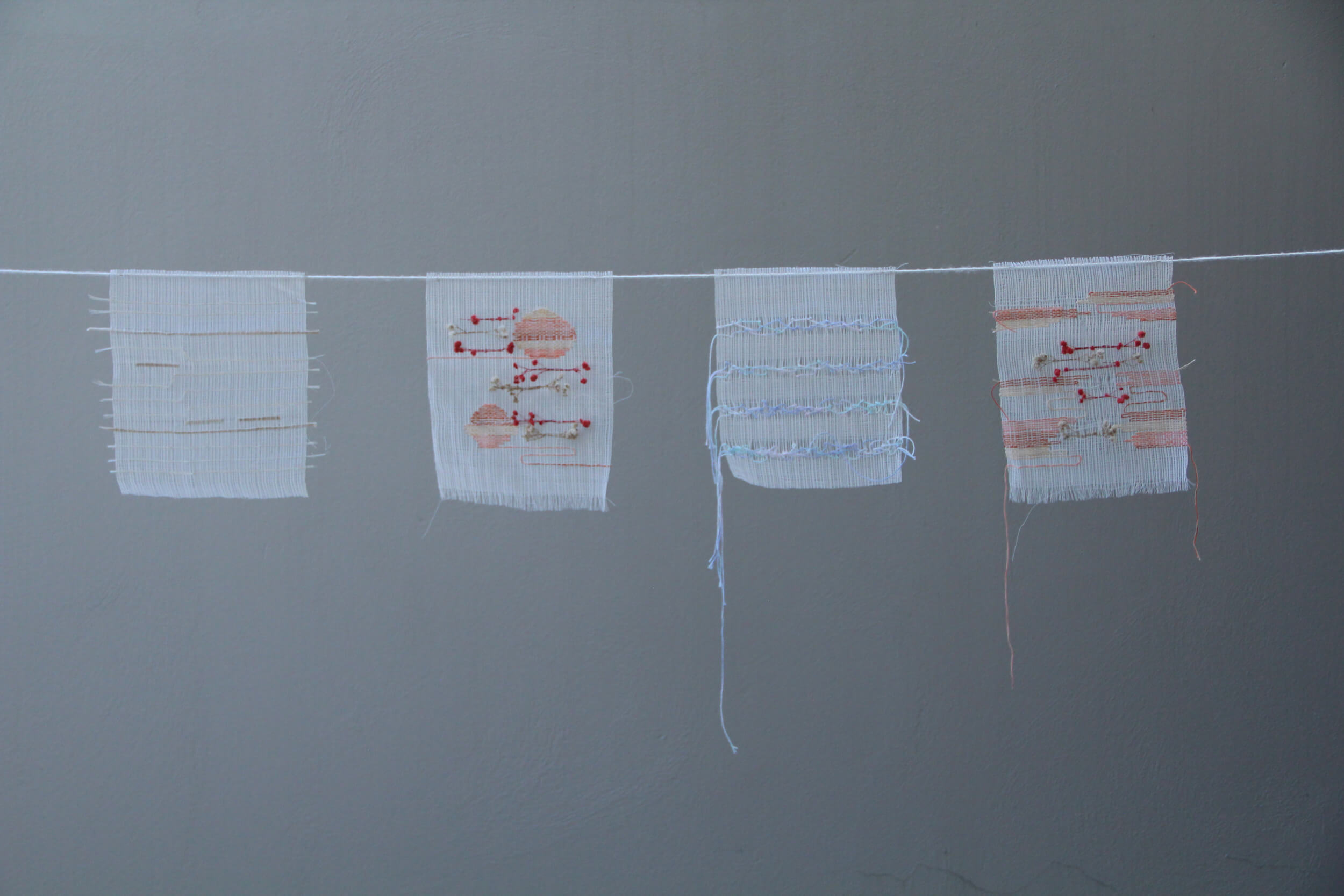
Habol, Hablon, Hinablon: Until now, we learn is the gallery’s inaugural exhibition featuring the debut works of Cebuano fashion designer Jessica Durano and master weaver John Rey Sanchez. The show is curated by and produced in collaboration with Kaye Yuvallos, an arts-based researcher and designer from Cebu, now based in New York. It traces and transforms the relationships embedded in three Cebuano words, which form the heart of the exhibition:
Habol – a blanket or cloth to warm or cover
Hablon – the act of weaving
Hinablon – the finished woven cloth

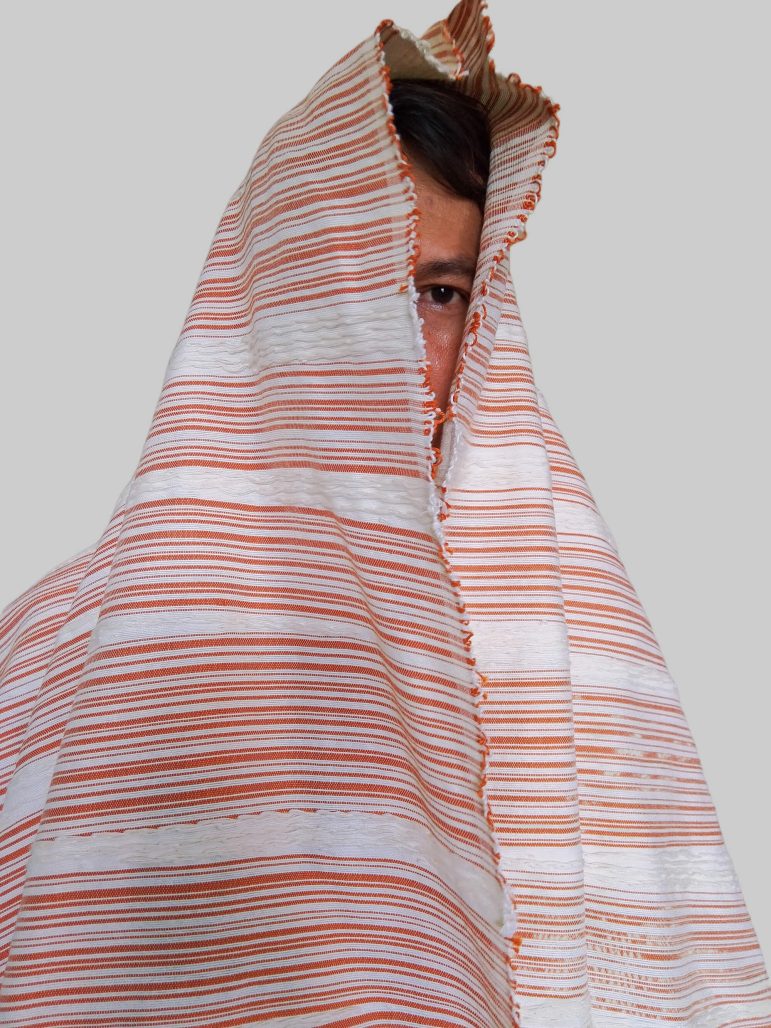
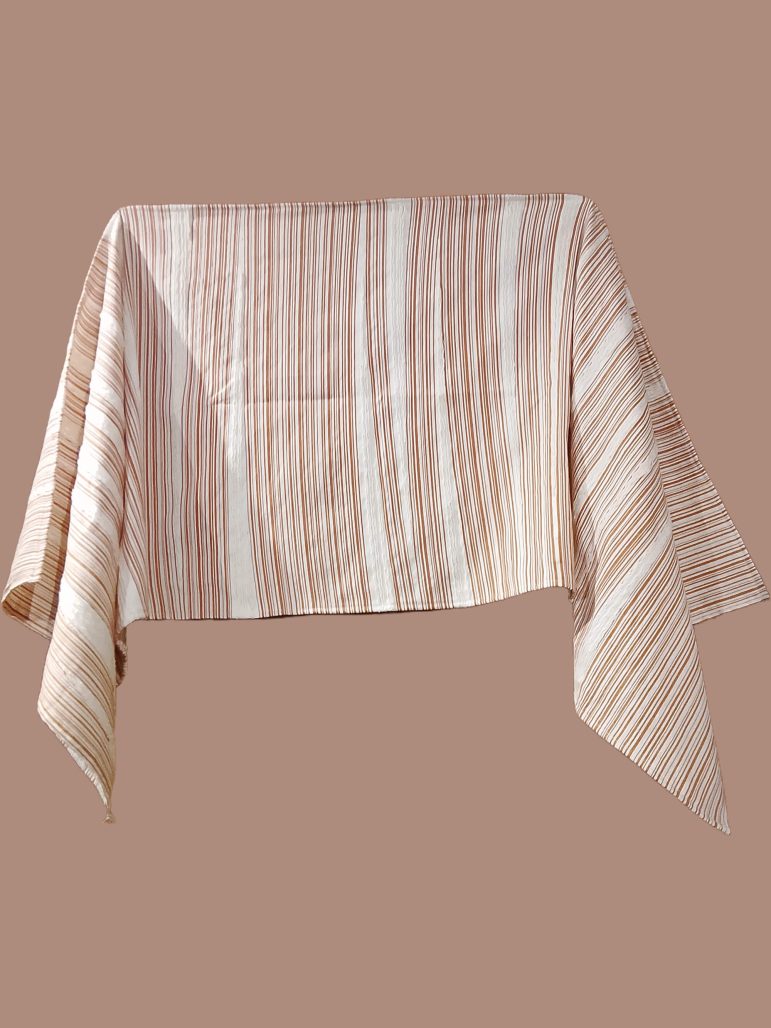
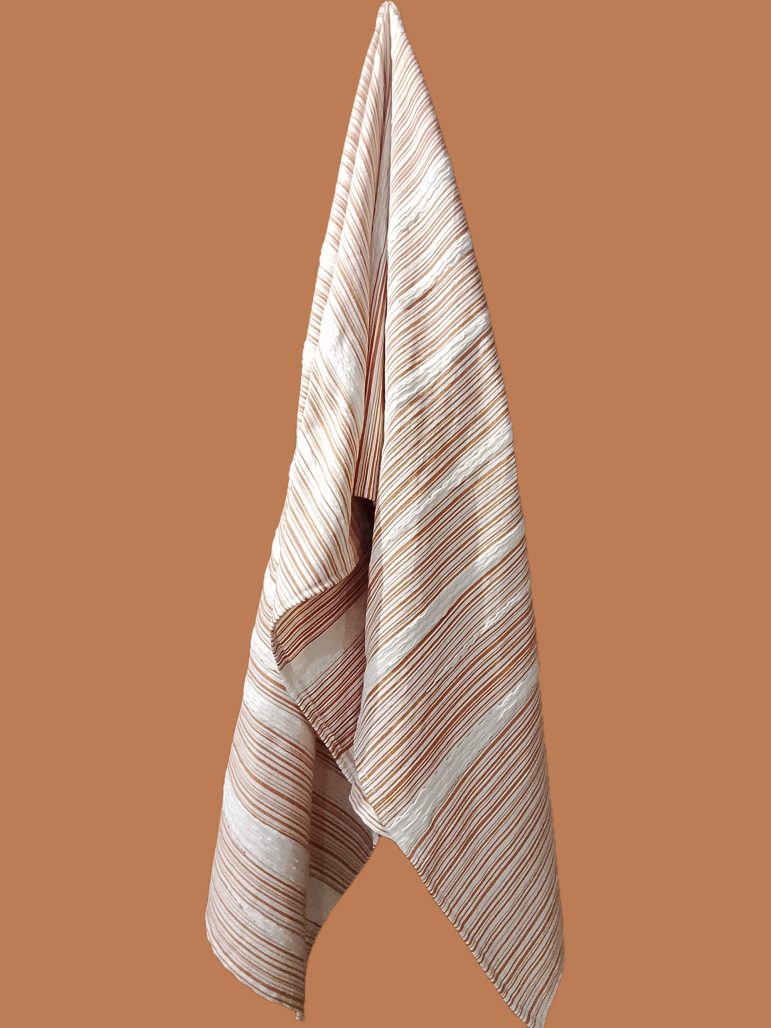
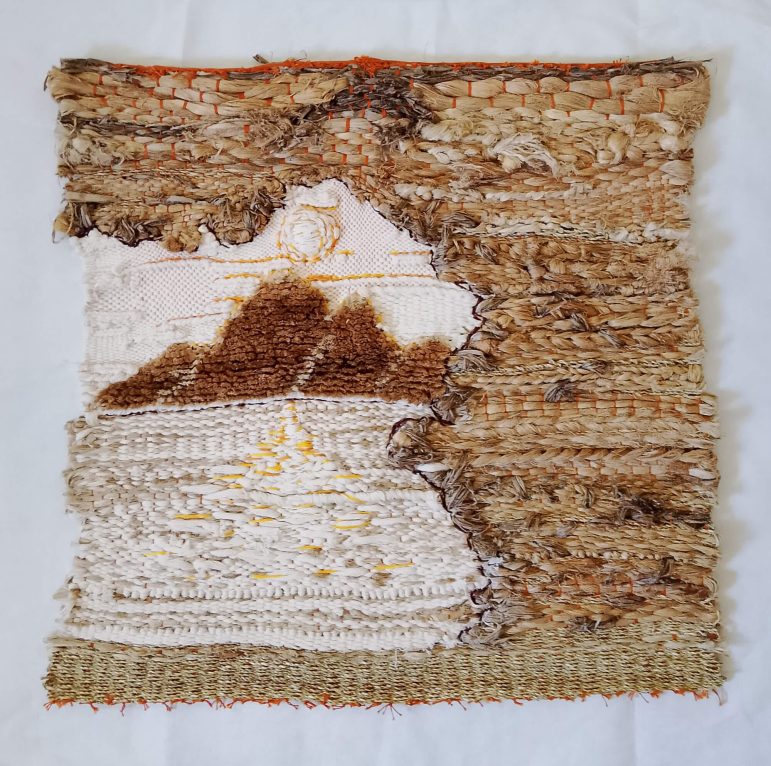
Durano and Sanchez each present three new works developed through a months-long collaborative curatorial process that explored identity and authorship, the intertwined nature of tradition and commercialization, and emotional and gendered labor. Many learn to weave from their mothers, as did Sanchez, despite not coming from a tribal community. Each work on view honors the tradition of Cebuano weaving by elevating the practice as a site where personal history and imagination uncover new ways of being.
“It was moving and challenging”, says Durano. “I finally see how textile weaving is a way of finding who you are. Weaving communities always embed themselves in the piece, and I now connect with this deeply as I express myself through the loom.”
Durano’s work in sustainable fashion and community textile design has long emphasized environmental and social responsibility. However, in this exhibition, she turns inward. Her piece Luwas (Safe) rethinks comfort through coarse abaca fibers, subverting expectations of softness in a comfort object. Her Diwa (Spirit) series uses local materials and dried flowers to trace key transitions in her life.
For Sanchez, the exhibition marks his first public presentation as an artist after decades working behind the scenes in Philippine weaving production. His works, including Kahupayan (Comfort) and Pagsubang (The Sun Rises) are also imbued with familial touch, especially from his wife Mymy, who collaborated with him on several works. In Pagsubang, he reveals that he is stepping out of the cave of anonymity and into a life shaped by self-determined meaning.
“I’ve been behind the scenes for 20 years. Now it’s my time”, says Sanchez. “I’m stepping out of the cave.”
The exhibition’s opening reception featured a live weaving event by both artists, whose resulting works, Unta and Yano, were exhibited at the end of the hour. This performance invited viewers into the rhythm and labor of their craft, offering an intimate glimpse into the communal and often unseen parts of textile work.
Yuvallos describes the exhibition as a shared offering. “This isn’t a show about polished artifacts or fixed identities”, she emphasized. “It’s about making space for becoming and how stories are made through, as well as by, making. Weaving, as with our ancestors, continues to be a way to sense oneself more deeply and to welcome others to do the same.”
Habol, Hablon, Hinablon: Until now, we learn reminds us how care, creativity, and legacy live not just in the woven but in the hands that continue to weave. A reminder that tradition, like the self, is still unfolding.
“Until now, we learn,” says Sanchez.
About the Artists
Jessica Durano
A fashion and textile designer from Cebu City, Durano is the founder of Damgo Studio and co-founder of fashion label Kinabuhi. She is known for her work in sustainable design and community engagement, previously working for John Rey Sanchez.
Sanchez is a Cebuano weaver with a background in product development. He is also deeply knowledgeable about local weaving traditions. Initially trained in banig weaving by his mother, he has expanded his practice across multiple fiber techniques and has collaborated with designers across the Philippines
Kaye Yuvallos (Curator)
Yuvallos is a Cebuano arts-based researcher and designer based in New York. Her work focuses on the intersections of material culture and identity, particularly in communities shaped by migration and colonial histories.
About the Gallery
ANTHILL (Alternative Nest and Trading or Training Hub for Indigenous/ Ingenious Little Livelihood seekers) Fabric Gallery is a social and cultural enterprise with a mission to preserve our weaving traditions and provide sustainable livelihood among Filipino craft artisans. It elevates Filipino culture through contemporary and circular design and supports partner artisans through community enterprise building, business skills transfer and linkage to markets.
This exhibition opening marks the unveiling of ANTHILL Fabric Gallery’s space as a creative commons—a home for weaving stories through thread, cloth, and craft.
Exhibition Details
Habol, Hablon, Hinablon: Until now, we learn
On view: 3 July – 3 October 2025
Opening Reception and Live Weaving: 3 July 2025, 5:00PM
Gallery Hours: Monday – Friday, 9:00 to 5:00 PM
Admission: Free and open to the public
Gallery Details
Location: ANTHILL Fabric Gallery, Pedro Calomarde St, Cor Acacia St, Gorordo Avenue, Cebu City, 6000 Cebu, Philippines
Website: www.anthillfabrics.com
Phone: 032.328.3400
Email: [email protected]