
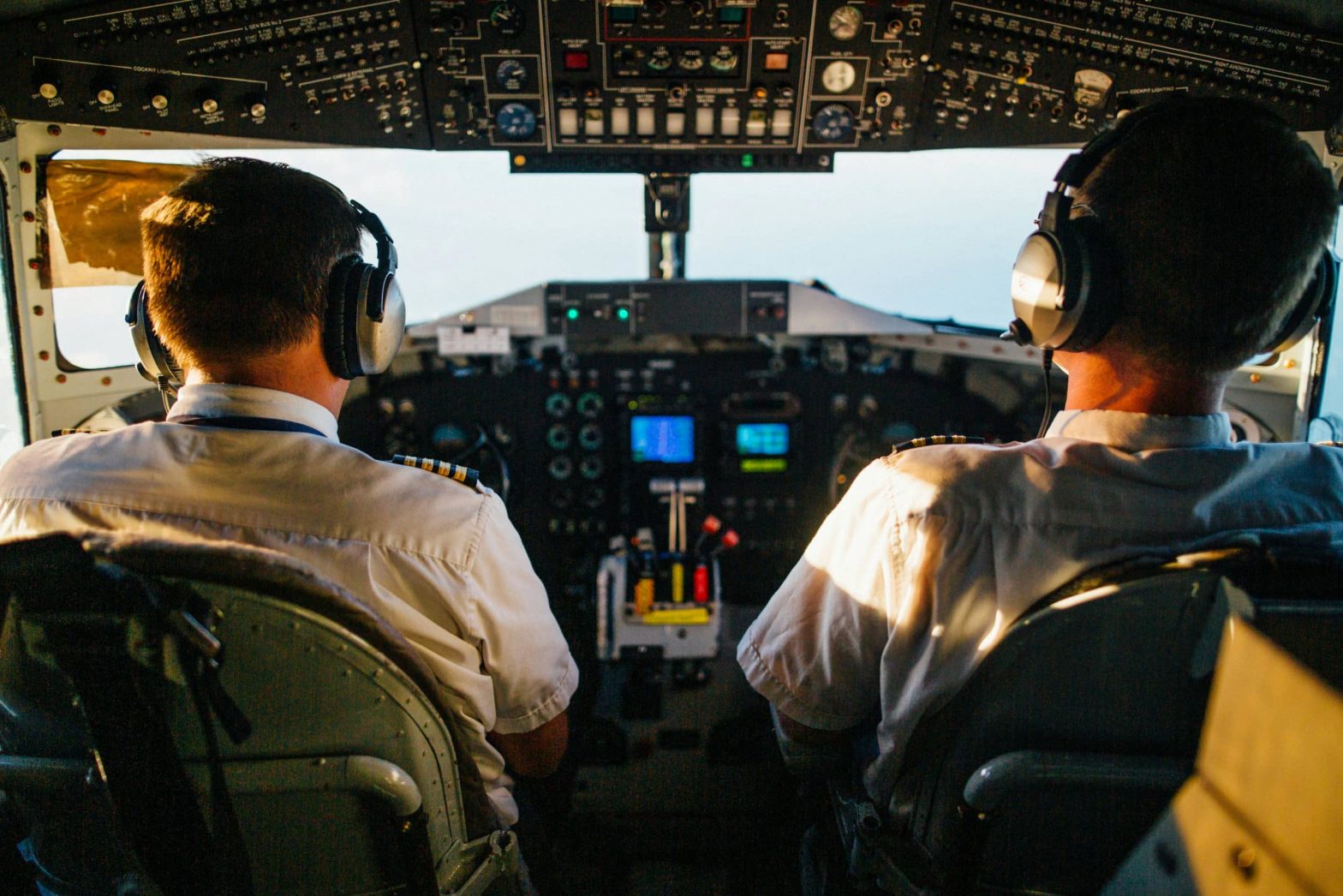
The global pilot shortage is a significant challenge facing the aviation industry today. This shortage is driven by factors such as increased demand for air travel, an aging workforce, and the lengthy and costly process of pilot training. As airlines around the world struggle to fill cockpit seats, the impact is felt across all sectors of the industry, including those in the Philippines.
With growing air travel demand and a limited supply of trained pilots, local airlines are working to find solutions to this pressing issue. From partnering with pilot schools to promoting work-life balance, these efforts are crucial for sustaining the growth and efficiency of the aviation sector.
Now, let’s explore how airlines ensure their fleets are in the hands of a capable pilot workforce amidst the global shortage.
Partnership with pilot schools
One of the most effective strategies being employed by airlines is forming partnerships with local pilot schools. These collaborations are designed to streamline the training process and create a direct pipeline for new pilots entering the industry. An airline that partners with the top pilot school in the Philippines may also provide financial support or scholarships to promising students. This makes the path to becoming a pilot more accessible and appealing.
Moreover, airlines may offer internships or guaranteed job placements upon graduation. This approach helps increase the number of qualified candidates as well as ensure that the training received is relevant and meets the high standards of the airline industry.
Better incentives
To attract and retain top talent, airlines are introducing a variety of incentives designed to make the profession more appealing. Competitive salaries and comprehensive benefits packages are at the forefront of these efforts, aiming to provide financial stability and reward for the demanding work pilots undertake. Additionally, airlines are offering signing bonuses and relocation assistance to further entice new recruits and help them transition smoothly into their roles. These incentives are crucial in addressing the financial barriers that might deter potential candidates from pursuing a career in aviation.
Career development opportunities
Career development is another key focus for airlines aiming to enhance pilot retention and satisfaction. Many airlines are investing in programs that offer pilots clear pathways for career progression. These programs often include specialized training, leadership development, and opportunities for advancement within the airline. These opportunities can enhance the skills and knowledge of pilots and demonstrate the airline’s commitment to their professional development. Consequently, pilots are more likely to stay with an airline that invests in their career growth, which contributes to higher retention rates and a more experienced workforce.
Welcoming back former crew
Another effective strategy being utilized is the rehiring of retired or former pilots. Many airlines are reaching out to experienced pilots who have left the industry, offering them the chance to return to flying. This approach leverages the existing expertise and experience of these individuals, which provides a quicker and more reliable solution to the shortage.
Also, rehiring former crew members is advantageous as it reduces the need for extensive retraining and allows for a smoother reintegration into the workforce. Former pilots are already familiar with the operational standards and culture of the airline. This can make their transition back into the role more seamless.
Work-life balance promotion
Maintaining a healthy work-life balance is crucial for retaining pilots and ensuring their overall job satisfaction. Recognizing this, airlines are implementing initiatives to improve the work-life balance of their current pilots. These initiatives include offering flexible scheduling options and generous time-off policies.
With a more flexible schedule, pilots can manage their personal and professional lives more effectively. This consequently reduces the risk of burnout and fatigue. Additionally, airlines are providing comprehensive support systems, such as counseling services and wellness programs, that contribute to the overall well-being of pilots. As a result, it makes the job more sustainable and enjoyable.
Expanded pathways for non-traditional candidates
To broaden the pool of potential pilots, airlines are also increasingly considering non-traditional candidates. These can include individuals who may not have followed the conventional path of attending aviation school but possess valuable experience and skills that can be effectively transferred to commercial aviation roles.
For example, one significant untapped resource is the community of military pilots. Many military pilots possess extensive flying experience, often under challenging conditions, which makes them highly skilled aviators. However, transitioning from military to commercial aviation requires additional certification and training, as the two fields have different operational standards and regulations. Airlines can facilitate this transition by developing tailored programs that recognize the skills and experience of military pilots, offering them a faster track to commercial certification. These programs might include bridging courses that focus on the specific requirements of commercial aviation.
The pilot shortage crisis presents a significant challenge for airlines in the Philippines, but the industry is responding with a range of innovative strategies. Through these solutions, airlines are working to address the shortage and ensure the continued growth and efficiency of the aviation sector. As these strategies evolve, the future of Philippine aviation looks promising, with a more robust and capable workforce on the horizon.