
Maintaining a healthy weight is a pursuit that comes with many ups and downs, but it is also one that reaps many benefits for your health and happiness. That said, while getting to a healthy weight range can be challenging, you don’t need to make it more frustrating than it needs to be. Indeed, you may already know the importance of monitoring your weight during this journey, but are you sure you’re doing it correctly?
With the right tool, the simple but important task of measuring your weight becomes a lot easier and less aggravating. Moreover, knowing how to properly use your weighing scale can save you from feeling discouraged or from miscalculating your weight loss or weight gain efforts. Avoid these common mistakes when using a weighing scale so that you can succeed in achieving your goal weight, minus the hassle and frustration.
Using an Inaccurate Weighing Scale
Monitoring your weight might seem as straightforward as stepping on a scale. However, there are a few factors at play that can potentially affect the accuracy and reliability of your weighing results. Primary among these is the tool or device you use to measure your weight. Are you using an old-fashioned spring-loaded bathroom scale, or do you have a digital weighing scale that shows you the most accurate information about your overall health?
To measure weight accurately, experts recommend the use of digital scales over spring-loaded or analog ones. This is because digital weighing scales are generally more accurate, as they are less affected by mechanical inconsistencies or fluctuations during measurement.. Digital scales also use more sensitive mechanisms that can detect minuscule differences in weight, giving a more precise output.
Using Different Weighing Scales Each Time
Even with a high-quality digital scale, consistency matters. To get the most reliable data over time, it’s important to use the same scale or unit throughout your weight-tracking journey. Different scales, even if they might have been manufactured by the same reputable brand, can have slight variations in calibration. This could very well lead to inconsistent results.
As such, make sure that you use the same digital scale from a brand you trust throughout your weight tracking journey to guarantee consistent performance and output, giving you better insights about your weight and health.
Weighing Yourself at Different Times of the Day
Consistency applies to the time of day you weigh yourself, too. Since body weight fluctuates throughout the day, it’s best to stick to a regular weighing schedule to get an accurate assessment of how your weight has changed over a particular period of time. It’s advisable to weigh yourself first thing in the morning, when you haven’t moved a lot, or consumed food and drinks yet.
Placing the Scale on Carpet or Uneven Flooring
You might not think much of it, but where you place your weighing scale can affect how it performs. Placing it on a soft or uneven surface could result in inaccurate readings. Setting your scale on a flat, hard surface, like hardwood or tile flooring, is ideal, while putting it on top of a rug, carpeted flooring, or inclined floor is to be avoided entirely. Once you’ve found a good place for your scale, calibrate it to ensure accuracy every time you use it.
Weighing Yourself in Heavy Clothing
Another key to consistent weight monitoring is to always weigh the same thing; when it comes to weighing yourself, this means you should avoid introducing other variables that can influence the weight measurement. Thus, make sure to remove heavy clothing and shoes when weighing yourself to avoid inaccuracy. For most people, the most convenient way to get this factor out of the picture and ensure precise output is to weigh themselves without any clothes on. Alternatively, if the former is not an option for privacy reasons, you can instead wear the same clothes whenever you weigh yourself to ensure consistency.
Not Standing Still
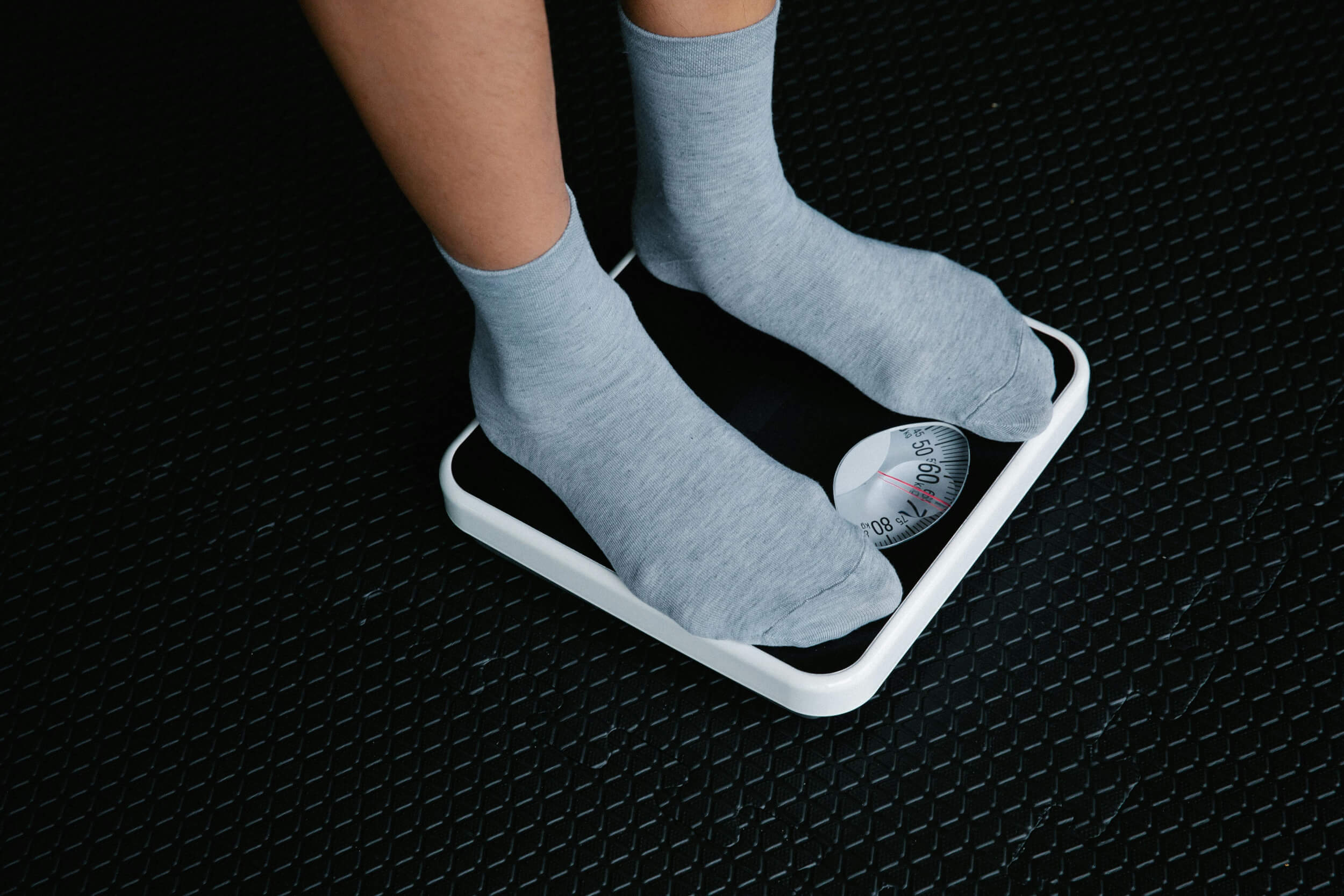
The way you stand and set your feet on the scale can result in inconsistent measurements if you’re not careful. Thus, you should stand in the center of the scale, making sure that your weight is evenly distributed on both feet. Maintain this position and stand still while the scale measures your weight. Remember to keep this same position each time you weigh yourself to get reliable results.
Weighing after Eating, Drinking, or Exercising
As mentioned above, eating or drinking before stepping on the scale can produce inaccurate measurements because food and drink can add to your body weight. Also, keep in mind that weighing yourself after doing strenuous physical activity can potentially result in a lower weight reading since you lose water when you sweat. Hence, you’re much better off weighing yourself first thing in the morning, before food, water, and exercise.
Monitoring your weight should be a tool to guide you in making better decisions about your diet, exercise, and lifestyle. Instead of being a source of frustration or dismay, tracking the changes in your weight should be seen as an opportunity to gain valuable insights about your health. Whether you’re trying to lose or put on some weight, using a dependable digital scale with helpful features from a reputable brand will give you sufficient guidance in your journey toward achieving a healthy weight.